Curriculum
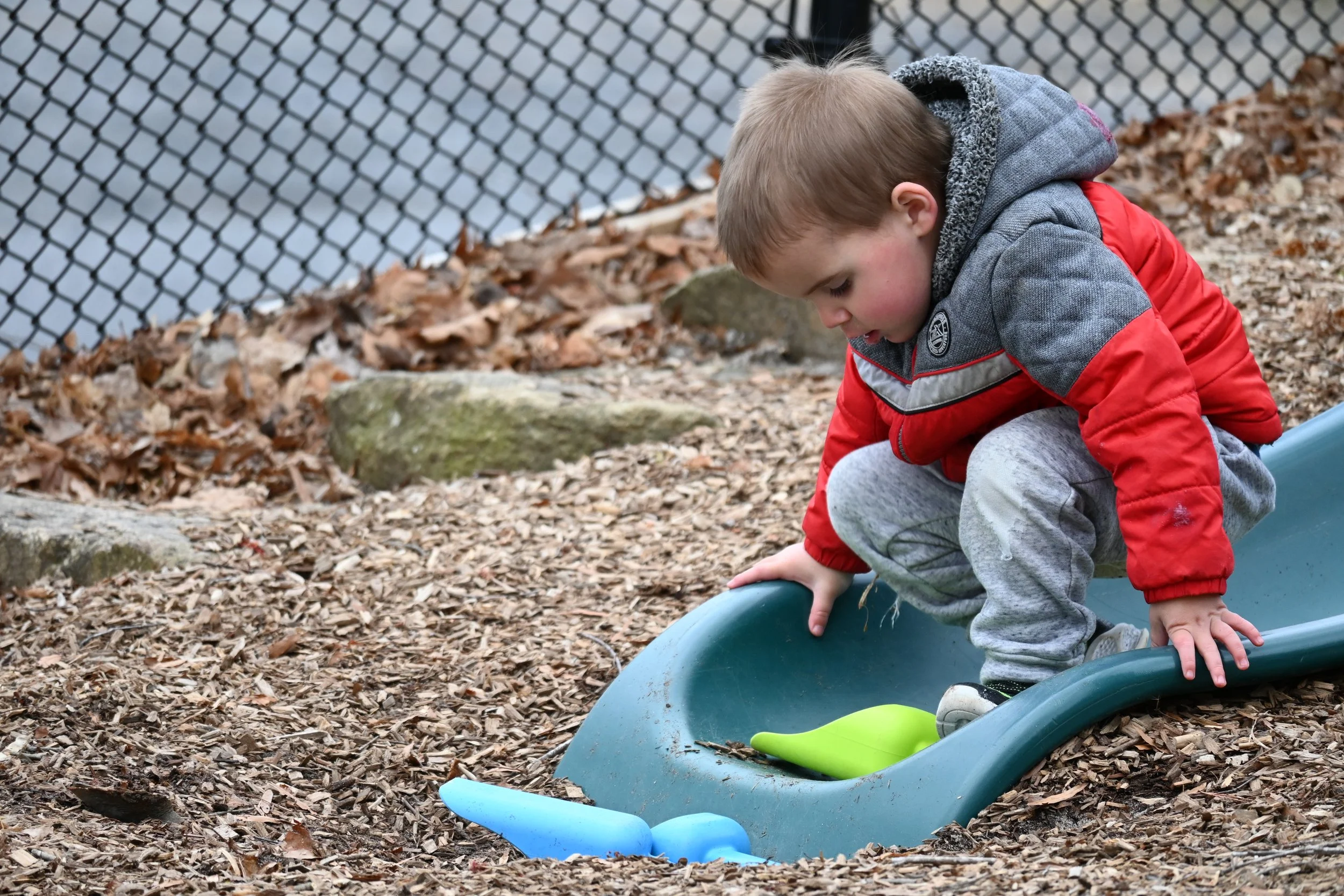
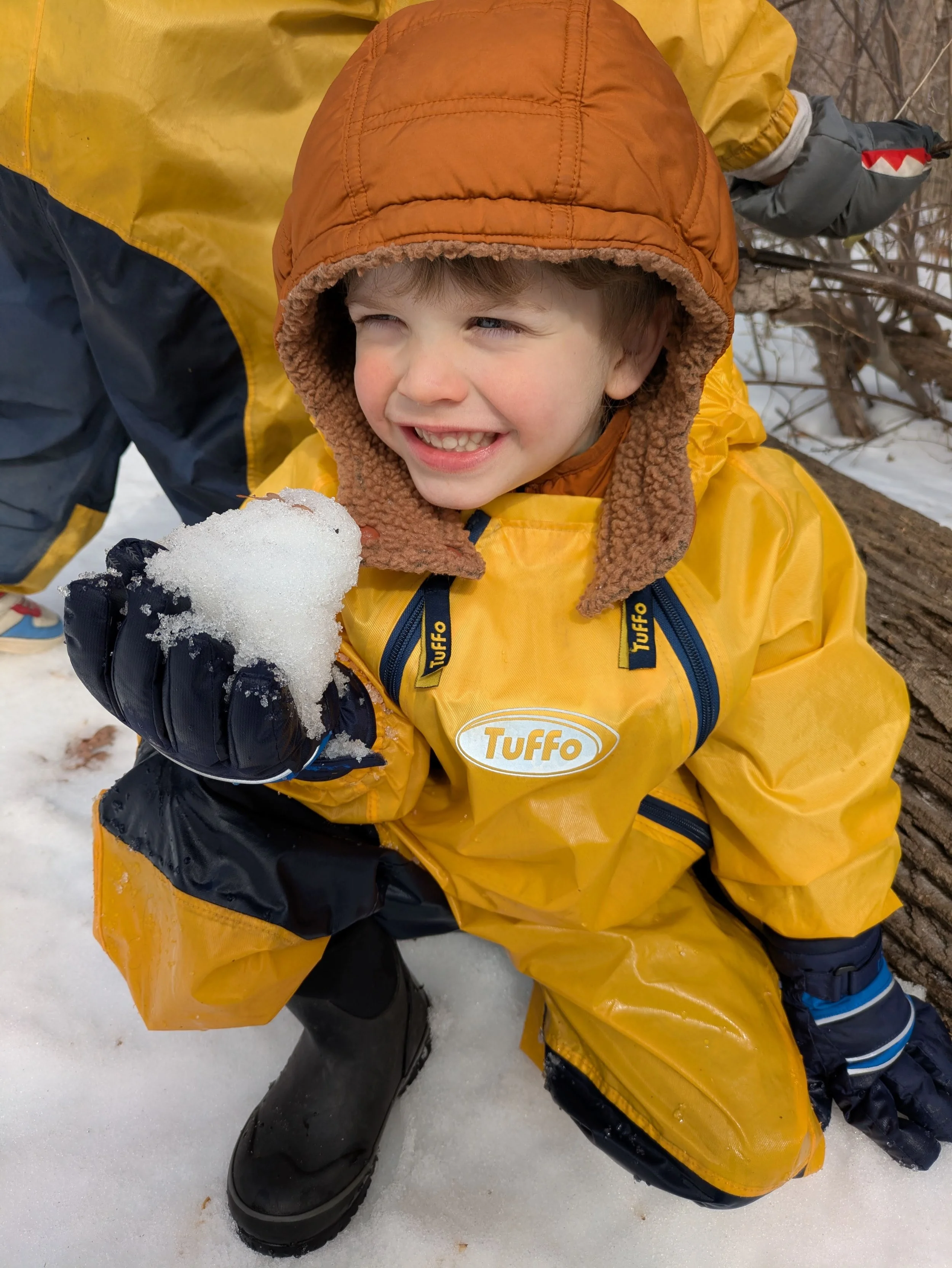
We provide a structured, developmentally appropriate approach to learning while honoring childhood as a time of wonder, play, and discovery.
What is the Creative Curriculum?
The Creative Curriculum is built on decades of early childhood research and emphasizes:
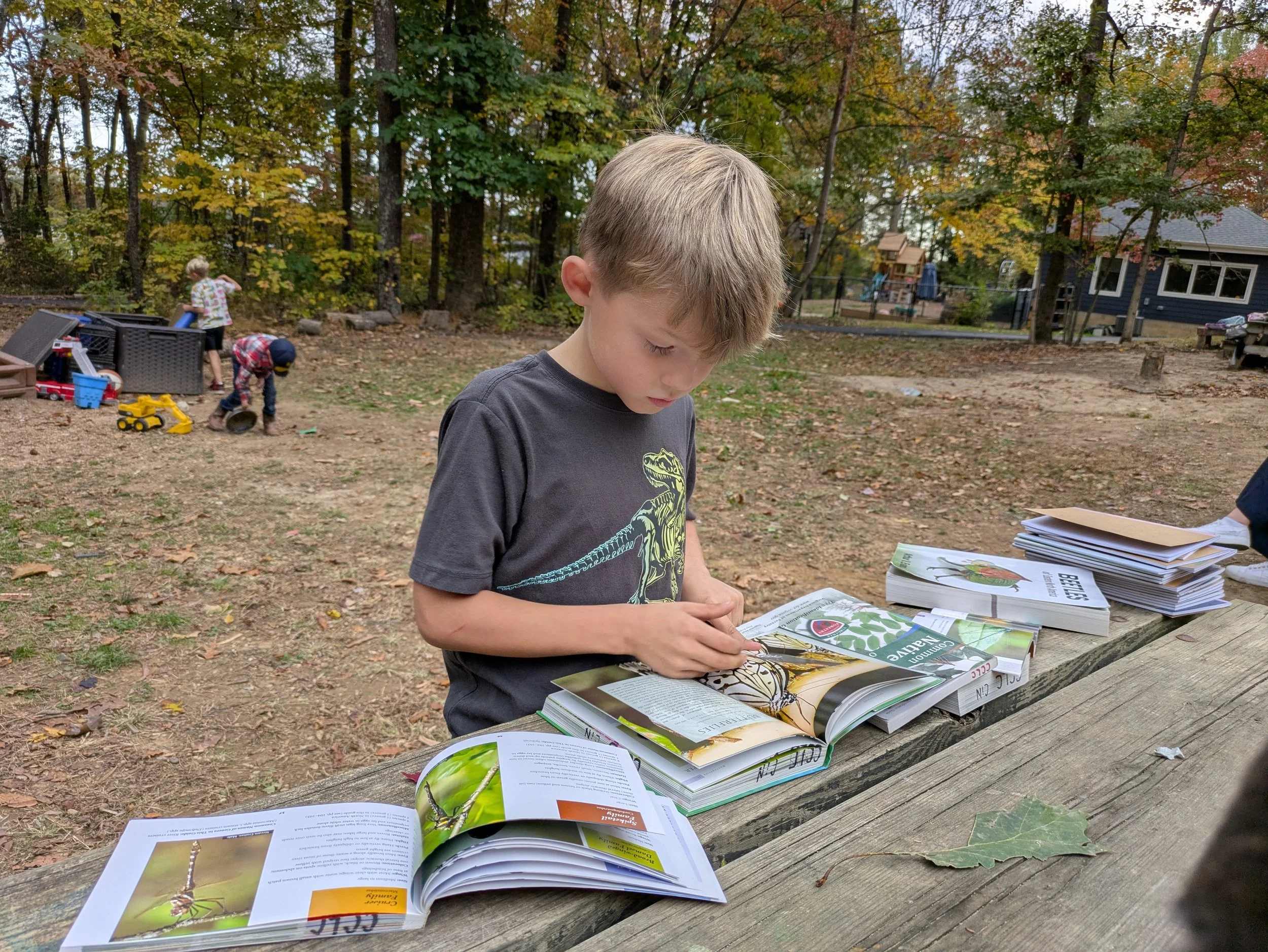
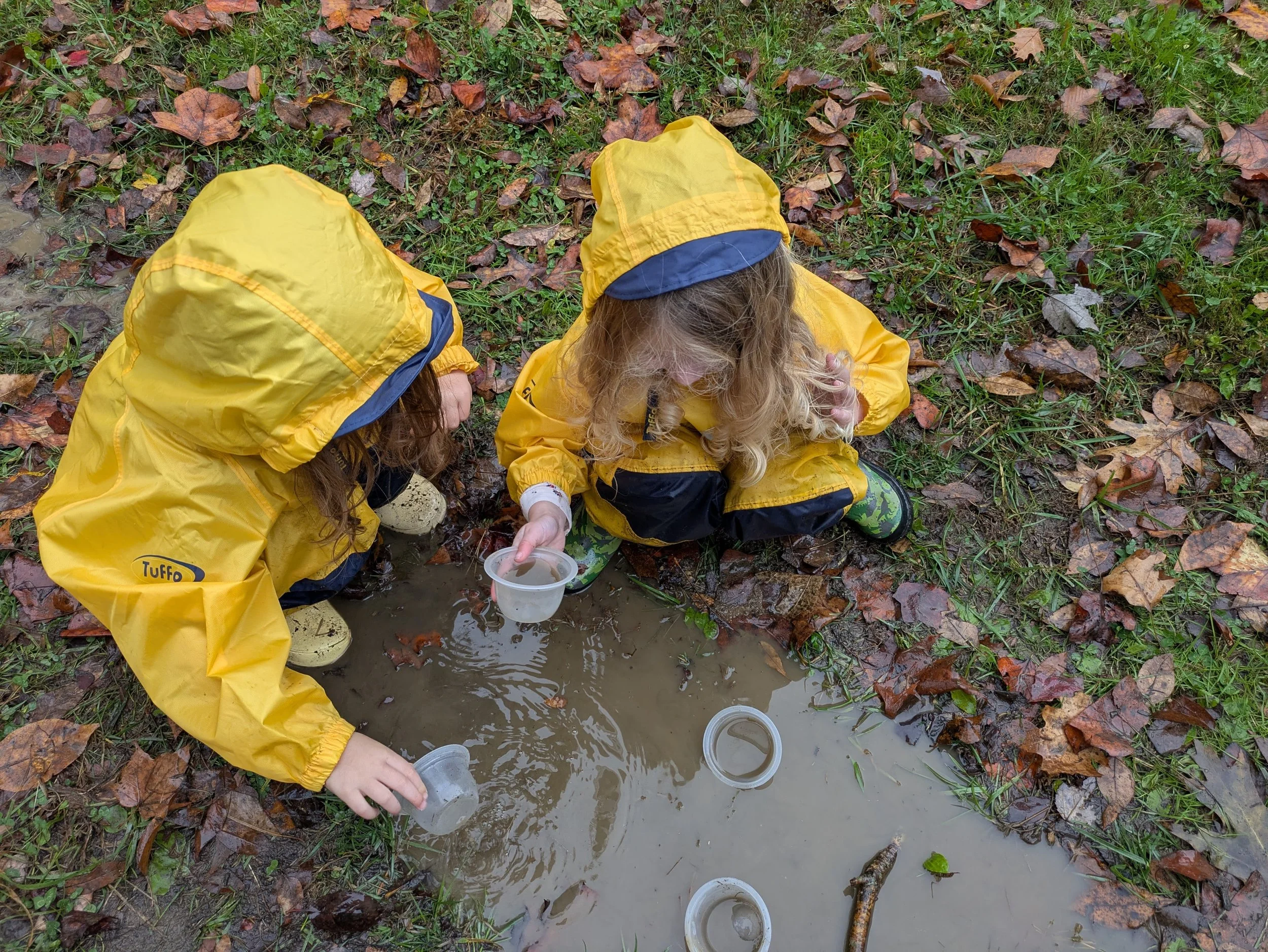
Active, hands-on learning
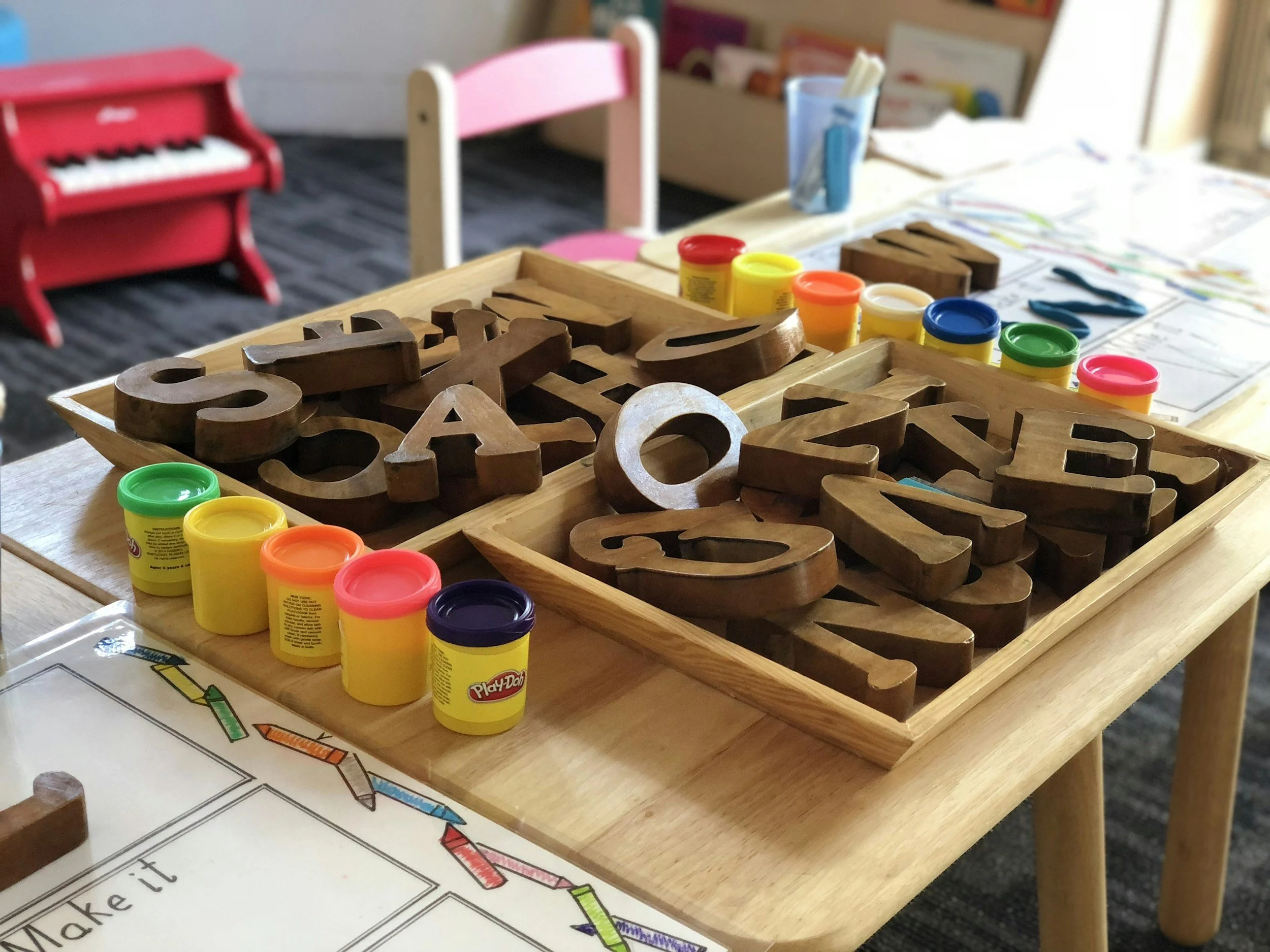
Language-rich classrooms
Intentional teacher planning
Ongoing observation and assessment
Strong family partnerships
Children learn through purposeful play, small group instruction, and meaningful daily routines.
Socio-emotional development
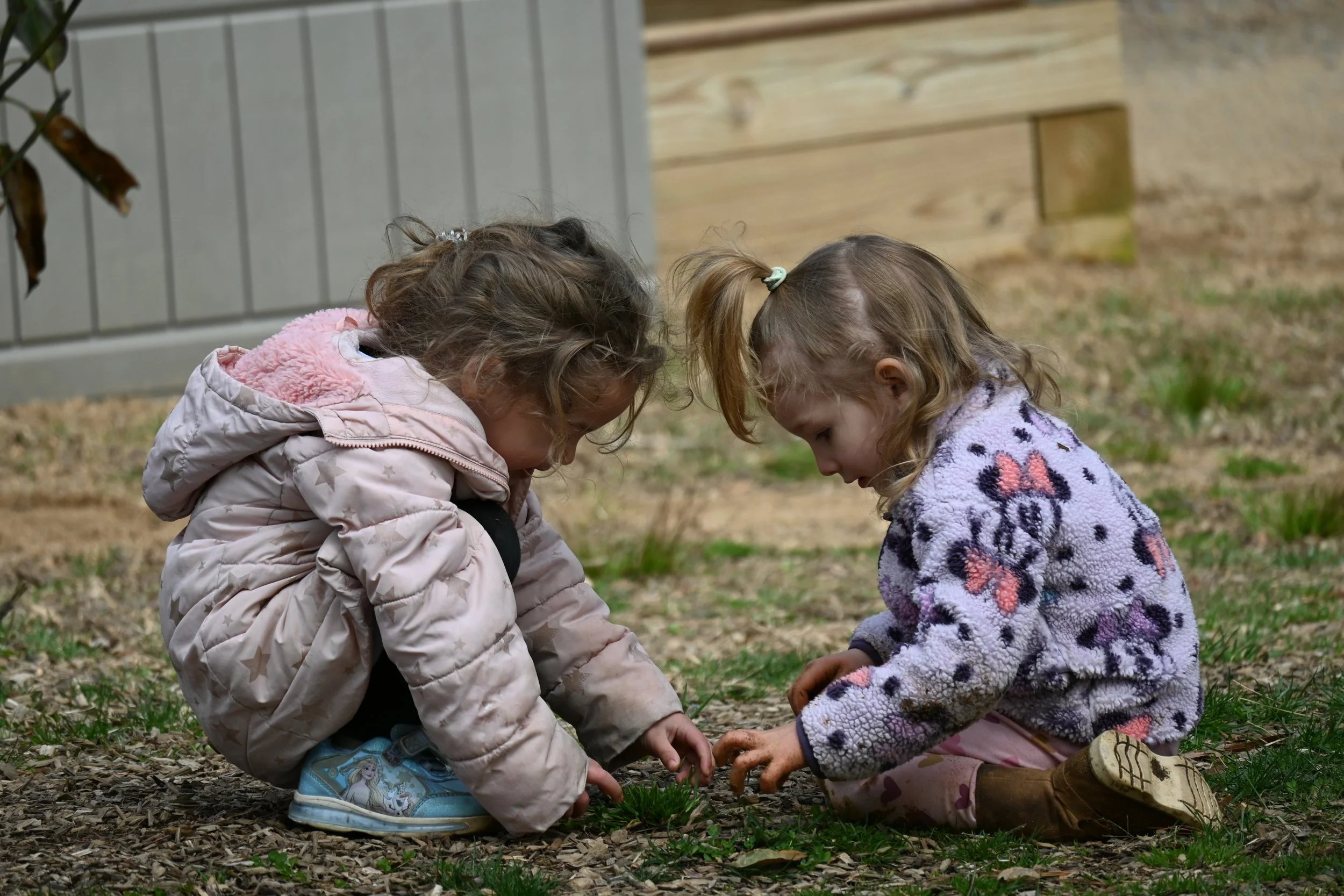
Strong social-emotional skills form the foundation for academic success. At CCLC, teachers intentionally support children in learning to:
Recognize and manage emotions
Build positive peer relationships
Develop empathy and kindness
Practice responsibility and self-regulation
When children feel secure and valued, they are better able to take intellectual risks and grow.
Music and creativity
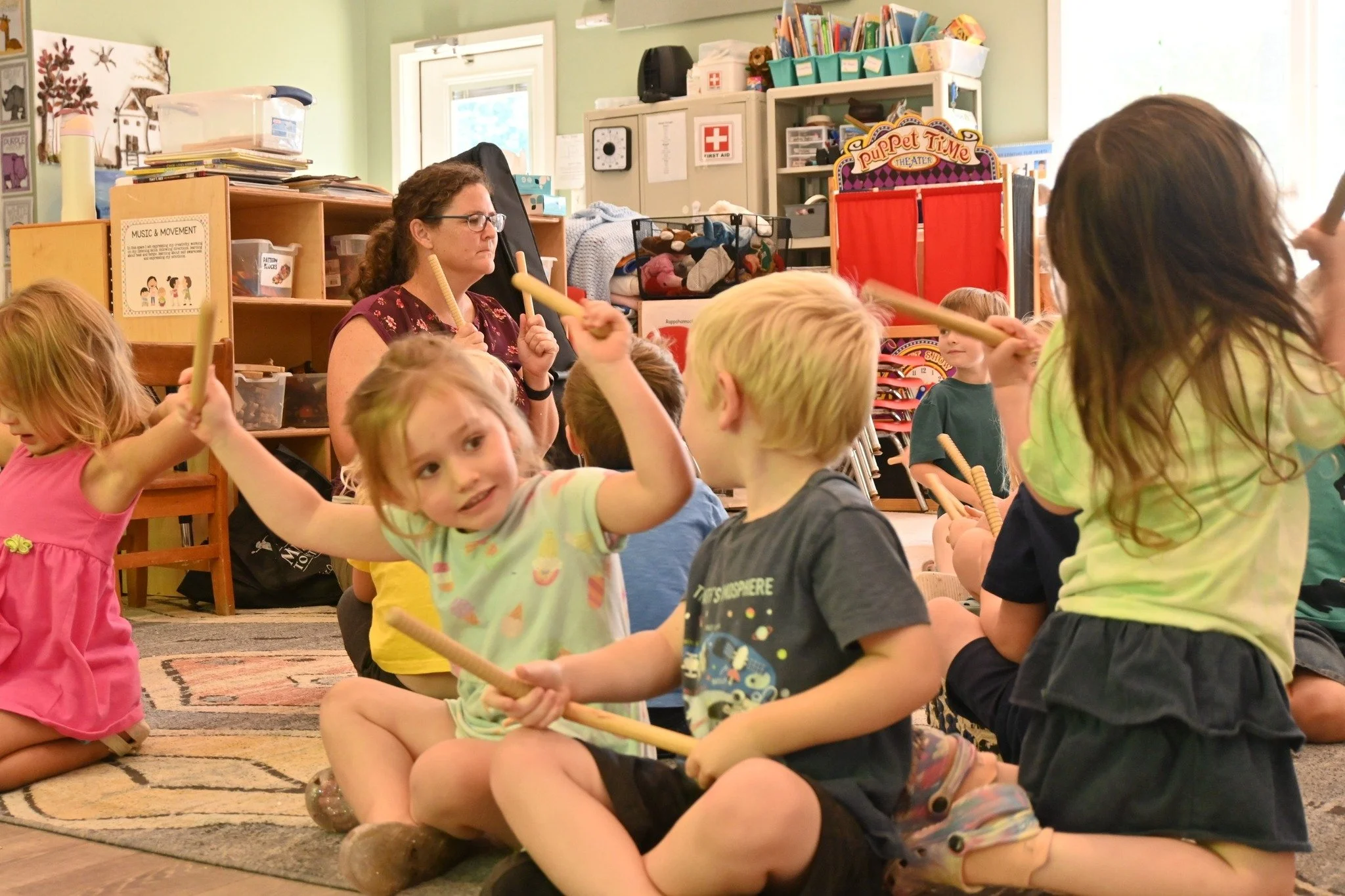
All students participate in weekly music instruction as part of our enrichment program, including Wednesday sessions with Music Marie, supported by a grant from the Rappahannock Association for Arts and Community (RAAC).
Music supports early language development, listening skills, rhythm, coordination, and joyful self-expression.

Family Partnerships
Families are children’s first and most important teachers. Our educators work in partnership with families through ongoing communication, conferences, and shared goal-setting.
We believe that strong home-school relationships strengthen outcomes for children and build a cohesive community of care.